Why “AI-Driven Personalization & Automation” Is Trending

Why “AI-Driven Personalization & Automation” Is Trending

Trending Marketing Topics (with Data) for Google + Facebook Marketers in 2025

Here are some of the biggest, evidence-based trends shaping digital marketing right now — backed by recent reports and industry data.

1. AI-Powered Personalization & Predictive Analytics

  • According to Adobe’s 2025 Digital Trends Report, 65% of senior execs say AI + predictive analytics will be a core driver of growth.

  • Generative AI in digital marketing is projected to grow massively — one market report estimates it will go from $2.48B in 2024 to $35.12B by 2034.

  • Many companies (per the IntelligenceBank Content Marketing Trends Report) are using AI for content ideation, real-time personalization, and workflow automation.

Why it matters:

  • On Google, AI + predictive analytics helps you serve more relevant search ads and content.

  • On Facebook / Meta, AI helps optimize ad creative, audience targeting, and dynamic personalization in real time.

How to use it:

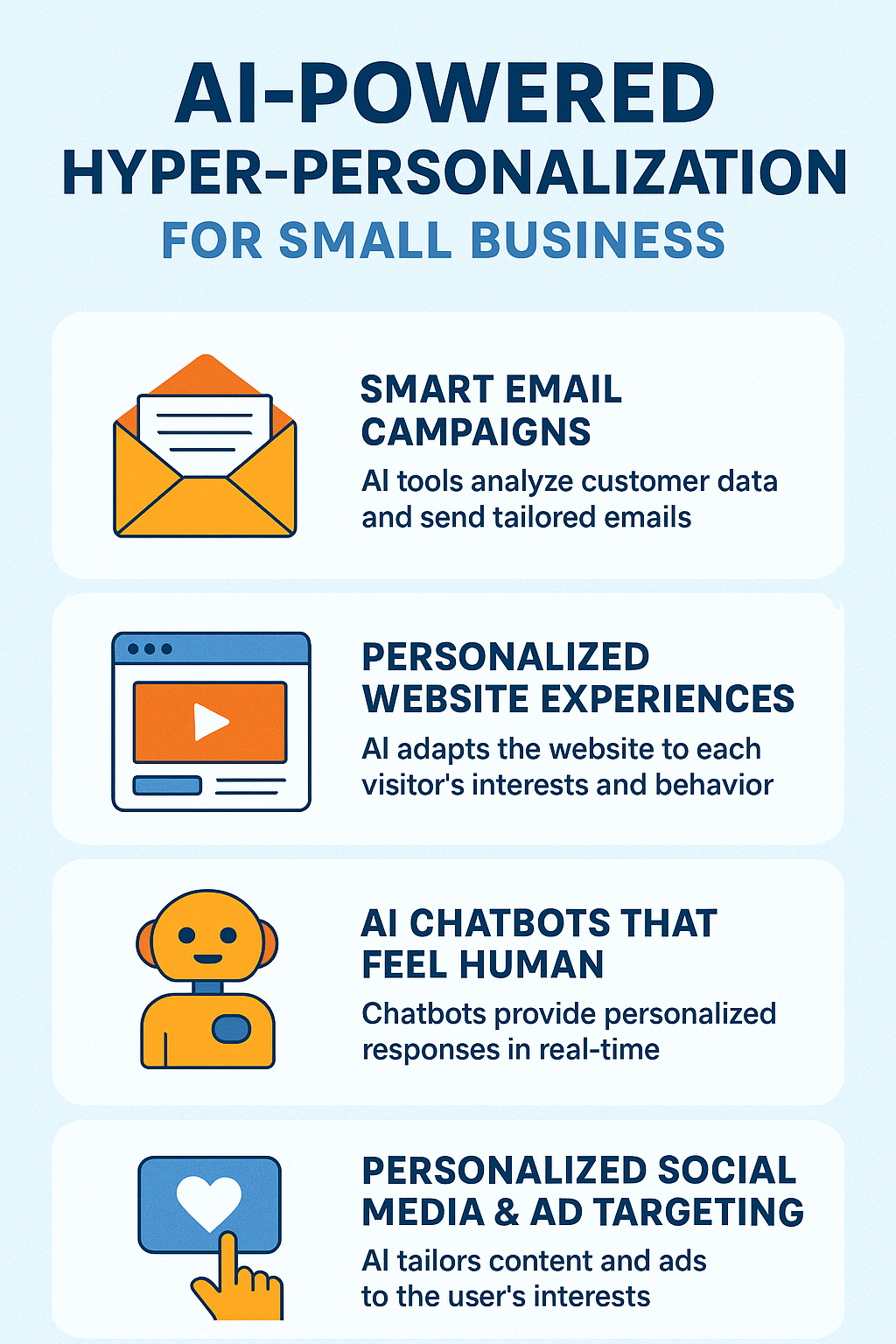
  • Use AI tools for personalized content (emails, landing pages, ads)

  • Leverage predictive analytics to forecast customer behavior and tailor campaigns

  • Test generative AI for ad creative + copy, but always A/B test

2. Search Experience Optimization (SXO) / Generative Engine Optimization (GEO)

  • According to several sources, Google’s AI-powered “overviews” are reshaping how people interact with search results.

  • Semrush’s 2025 trends highlight that AI is shifting SEO from pure keyword focus to contextual experience and intent.

  • There’s also growing talk of “Generative Engine Optimization” (GEO) — optimizing content so it’s more likely to be used / cited by AI-powered search/chat systems.

Why it matters:

  • With Google, more searches could be answered directly by AI or “search summary” features.

  • On Meta, SEO-style content that is optimized for AI (GEO) can help attract more organic and referral traffic.

How to use it:

  • Structure content for featured snippets, FAQ, and AI citation (clear, authoritative)

  • Create content designed to answer user intent, not just target keywords

  • Use schema, structured data, and other SEO best practices to help AI systems understand your content

3. First-Party Data & Privacy-First Marketing

  • According to a Q1 2025 industry update, 82% of marketers are prioritizing first-party data collection.

  • With the decline of third-party cookies and stricter privacy rules, first-party data (customer data collected directly) has become more valuable.

  • AI + predictive analytics, when combined with first-party data, can deliver hyper-personalized experiences.

Why it matters:

  • On Google Ads, you can use first-party data to build more accurate audiences, retarget, and optimize.

  • On Facebook, first-party data (like email lists, CRM data) can feed into custom audiences, lookalikes, and (with AI) more precise ad targeting.

How to use it:

  • Build and enrich your first-party data: email lists, CRM, website interactions

  • Use that data to create tailored ad audiences

  • Leverage privacy-first strategies (transparency, consent, data ethics) in your marketing

4. Voice, Image & Multimodal Search

  • Voice search continues to matter: as more people use voice assistants, brands need to optimize for conversational queries.

  • Search is becoming more multimodal: text + image + voice queries are all important.

  • B2B e-commerce trends report (Algolia) also suggest that AI-powered site search and discovery (leveraging multimodal inputs) is a big focus.

Why it matters:

  • On Google, optimizing for voice and visual search can help your content surface in new ways

  • On Facebook / Instagram, multimodal content (images, video, interactive formats) resonates more — especially when paired with AI-driven personalization

How to use it:

  • Create content using conversational, question-based keywords

  • Optimize pages for visual search (alt text, structured data)

  • Use short-form, interactive, and visual content in your ads and organic social strategy

5. AI Ethics, Explainability & Responsible Use

  • As marketers use more AI, there’s growing scrutiny around transparency and ethics: how AI decisions are made, how data is used, and how content is generated. This is showing up in many “AI in marketing” trend reports.

  • According to HumansWith.ai, the cost-saving benefits of AI are huge but marketers are also focusing on brand trust, authenticity, and governance.

Why it matters:

  • On Google, how you use AI in content and ads can influence brand reputation + compliance.

  • On Facebook, users are sensitive to inauthentic or overly automated content — balancing AI automation with real human touch will be key.

How to use it:

  • Be transparent when using AI-generated content (e.g., disclose in content if appropriate)

  • Use AI tools that provide “explainable” outputs when possible

  • Combine AI efficiency with human storytelling and oversight

Visualizing the Trend Growth (Hypothetical / Data-Backed)

Here’s a simple projected trend growth model (based on industry reports and forecasts):

Trend Estimated 2025 Impact Growth Signal
AI Personalization & Predictive Analytics High – major budget shift Adobe report: 65% execs prioritizing Adobe Business
Generative / GEO Search Optimization Very high – new SEO paradigm Semrush + academic research Semrush
First-Party Data & Privacy-First Marketing Medium–High Industry sources showing widespread prioritization Kreativa Inc
Voice / Multimodal Search Medium Multiple sources call it “next search frontier” LinkedIn
AI Ethics & Responsible Use Growing concern + priority Experts emphasizing AI governance HumansWithAI

Why These Trends Matter for Facebook + Google Marketers

  • Budget Efficiency: AI + predictive analytics help you get more ROI from ad spend on both Google and Meta.

  • Audience Targeting: First-party data + AI = smarter lookalikes, better retargeting.

  • Content Strategy: GEO / AI-optimized content helps you rank for conversational / AI-driven search.

  • User Experience: More personalized interactions build loyalty and trust.

  • Brand Trust: Using AI responsibly builds credibility with your audience.

How to Add an Email Address to Contacts AND Whitelist It on Every Major Email Platform (Complete Guide)

How to Add an Email Address to Contacts AND Whitelist It on Every Major Email Platform (Complete Guide)

Below are step-by-step instructions for Gmail, Outlook, Apple Mail, Yahoo, AOL, Thunderbird, and business platforms like Microsoft 365 and Google Workspace.

Universal Method (Works Everywhere)

If you’re unsure which email platform someone uses, share this simple two-step universal method:

Step 1: Add the email address to Contacts

Every major email provider uses your Contacts list as a trust signal.

Step 2: Mark any misplaced email as “Not Spam”

This immediately retrains the spam filter.

Together, these two actions reliably whitelist a sender across all platforms.

1. Gmail

Add to Contacts in Gmail

  1. Open an email from the sender.
  2. Hover your mouse over the sender’s name.
  3. Select “Add to Contacts.”

Whitelist an Email in Gmail

  1. Open the email.
  2. Click the three dots in the top-right corner.
  3. Select “Filter messages like this.”
  4. Click Create filter.
  5. Check “Never send it to spam.”
  6. Click Create filter again.

2. Outlook (Web, Desktop, and Office 365)

Add to Contacts

  1. Open the email.
  2. Right-click the sender’s name.
  3. Choose Add to Contacts.

Whitelist / Safe Senders List in Outlook

  1. Go to Settings > View all Outlook settings.
  2. Select Mail > Junk email.
  3. Add the email under Safe senders and domains.
  4. Click Save.

3. Apple Mail (Mac, iPhone, iPad)

Add to Contacts on Mac

  1. Open the email.
  2. Hover over the sender’s name.
  3. Click Add to Contacts.

Add to Contacts on iPhone/iPad

  1. Open the email.
  2. Tap the sender’s name.
  3. Choose Create New Contact or Add to Existing Contact.

Whitelist in Apple Mail

Apple Mail uses your Contacts list to determine trusted senders.
Once an email is added to Contacts, it is essentially whitelisted.

To reinforce inbox placement:

  1. Move any message from Junk back to Inbox
  2. Tap or click “Not Junk”

    4. Yahoo Mail

    Add to Contacts

    1. Open an email.
    2. Hover over the sender.
    3. Click Add to Contacts.

    Whitelist in Yahoo Mail

    1. Open Settings > More Settings.
    2. Select Filters.
    3. Click Add new filters.
    4. Set “From contains” with the email address.
    5. Choose Inbox as the folder.
    6. Save.

    5. AOL Mail

    Add to Contacts

    1. Open the email.
    2. Click the sender’s name.
    3. Select Add Contact.

    Whitelist in AOL

    1. Open Settings.
    2. Go to Mail Settings > Spam Controls.
    3. Add the email to Allowed Senders.

    6. Mozilla Thunderbird

    Add to Address Book

    1. Open the email.
    2. Right-click the sender’s address.
    3. Choose Add to Address Book.

    Whitelist in Thunderbird

    1. Go to Tools > Message Filters.
    2. Create a new filter:
      – Condition: “From” contains [email address]
      – Action: Move to Inbox
      – Save the filter.

    Whitelisting on Business Email Platforms

    7. Microsoft 365 (Admin-Level Whitelisting)

    For domain-wide whitelisting:

    1. Open Microsoft 365 Defender Portal.
    2. Go to Policies & Rules > Threat Policies.
    3. Select Anti-Spam Policies.
    4. Under Allowed senders, add the email or domain.
    5. Save.

    8. Google Workspace Admin (Gmail for Business)

    1. Go to Admin Console > Apps > Google Workspace > Gmail.
    2. Open Spam, Phishing, and Malware settings.
    3. Add the email to Allowed senders.
    4. Save the changes.

    Final Tips to Prevent Important Emails From Going to Spam

    1. Check your spam/junk folder weekly
    2. Add both the email address and the sending domain
    3. Do not repeatedly delete messages from the sender
    4. Star/flag important emails to reinforce trust
    5. Add the sender to safe lists on both desktop and mobile apps

      Conclusion

      Whitelisting an email is one of the easiest ways to make sure important messages land in your inbox—every time. Whether you’re a business owner, marketer, or simply someone who doesn’t want to miss essential communication, taking a moment to add and whitelist a sender can save you headaches in the future.

      Why Every Small Business Needs a Website (Even If You’re Not Tech-Savvy)

      Why Every Small Business Needs a Website (Even If You’re Not Tech-Savvy)

      In today’s digital-first world, a website is no longer a luxury — it’s a necessity. Whether you’re running a local bakery, a freelance service, or a boutique shop, having an online presence can make all the difference between being found and being forgotten.

      And yet, many small business owners still operate without one, relying solely on word of mouth, social media, or foot traffic. If that sounds like you, here’s why it’s time to seriously consider building a website — even a simple one.

      1. It Builds Credibility and Trust

      Consumers expect businesses to have websites. In fact, research shows that most people won’t trust a business that doesn’t have one. A professional website instantly boosts your credibility and reassures potential customers that you’re legitimate, established, and serious about what you do.

      Think of it this way: if someone hears about your business and Googles you but finds nothing — what message does that send?

      2. It Keeps You Visible 24/7

      Your physical location has business hours. Your website doesn’t.

      A website allows customers to learn about your services, browse your products, and contact you any time — day or night. That’s particularly valuable in today’s fast-paced world where people often search for information outside of normal hours.

      3. It Helps You Reach More Customers

      Word of mouth is great — but it only goes so far. A website expands your reach beyond your local community. People can discover your business through search engines, social media links, and online directories. With even a basic SEO setup, you can attract new customers who are actively searching for what you offer.

      4. It Showcases Your Brand and Personality

      Your website is your space to tell your story. Unlike social media platforms, which limit how you present your brand, a website gives you full control. You can share your mission, values, team, services, testimonials, and anything else that sets you apart.

      A great website not only informs — it connects.

      5. It Drives Sales and Inquiries

      Whether you sell products online, book appointments, or just want people to call you, your website can help convert interest into action. Add features like:

      • Contact forms

      • Online booking

      • E-commerce capabilities

      • Special offers or lead magnets

      Even if you don’t sell directly online, a good website can move people closer to making a purchase or inquiry.

      6. It Levels the Playing Field

      The internet is the one place where small businesses can compete with big brands. A sleek, well-organized website can make your company look just as polished and professional as the big guys — without the massive budget.

      Your Website Is an Investment, Not a Cost


      A website isn’t just another expense — it’s one of the most valuable marketing tools you can have. It works for you 24/7, helps you reach more people, and builds long-term trust with your audience.

      And the good news? You don’t need to be a tech expert to get started. Affordable website builders, freelancers, and digital agencies make it easier than ever for small business owners to create a site that looks great and performs even better.

      Still waiting to launch your website? We’ve helped hundreds of businesses launch theirs. Your future customers are already searching — contact us to make sure they can find you.

      The Importance of a Logo: Why Your Brand Needs a Strong First Impression

      The Importance of a Logo: Why Your Brand Needs a Strong First Impression

      When you think of brands like Nike, Apple, or McDonald’s, what comes to mind first? Chances are, it’s their logo. A logo is often the face of a brand — the first thing people see and the image they remember long after a first interaction. But it’s more than just a pretty graphic. A well-designed logo is a powerful tool that can shape perception, build trust, and set the tone for your entire business.

      What Is a Logo, Really?


      At its core, a logo is a visual symbol that represents your brand. It can be a wordmark (like Google), an icon (like the Twitter bird), or a combination of both. But beyond design, a logo communicates the essence of who you are — your values, your style, and your story.

      Why a Logo Matters More Than You Might Think


      1. It’s Your First Impression

      Before someone reads your tagline or explores your website, your logo often speaks first. A strong logo grabs attention and immediately tells people something about your brand — whether you’re modern, professional, fun, luxurious, or innovative.

      2. It Builds Brand Recognition

      Think of your logo as your visual signature. The more consistent and visible it is across platforms (website, social media, packaging, emails), the more your audience will remember and recognize you. Recognition builds trust — and trust builds loyalty.

      3. It Sets You Apart from Competitors

      In a crowded marketplace, differentiation is everything. A distinctive logo helps you stand out and reinforces your unique value. Done right, your logo should be hard to confuse with anyone else’s — and easy to recall when someone thinks of your industry.

      4. It Reflects Your Brand Identity

      Your logo is a reflection of your brand personality. The colors, fonts, and style you choose all send subtle signals to your audience. Is your brand serious or playful? Traditional or edgy? Your logo helps visually communicate those traits before a single word is spoken.

      5. It Adds Credibility and Professionalism

      A professionally designed logo signals that you take your business seriously. It helps customers feel more confident in choosing you over a competitor with a DIY or inconsistent brand image. In short: a good logo builds trust.

      What Makes a Great Logo?


      A great logo is:

      • Simple – easy to recognize and versatile

      • Memorable – makes a lasting impression

      • Timeless – doesn’t rely on trendy elements that will quickly feel outdated

      • Relevant – reflects your industry and brand personality

      • Scalable – looks good on everything from business cards to billboards


      Final Thoughts: Invest in Your Visual Identity

      Your logo is more than just a graphic — it’s a foundational part of your brand identity. Whether you’re just starting out or rebranding an established business, investing in a professionally designed logo is one of the most important steps you can take toward building a strong, lasting brand.

      Don’t leave your first impression to chance. Make sure your logo tells your story — clearly, consistently, and confidently.

      Want help developing a logo that truly reflects your brand? Reach out to us for personalized service.

      Why Every Business Needs a Brand Kit (And How It Makes Life Easier)

      Why Every Business Needs a Brand Kit (And How It Makes Life Easier)

      In today’s fast-paced digital world, consistency is king — especially when it comes to branding. Whether you’re a small business owner, startup founder, or marketing professional, keeping your brand cohesive across every touchpoint is crucial. That’s where a brand kit comes in.

      What is a Brand Kit?

      A brand kit (sometimes called a brand guide or style guide) is a collection of visual and design elements that represent your brand. It typically includes:

      • Logo files and usage guidelines

      • Brand color palette (with hex/RGB/CMYK codes)

      • Typography (fonts and usage rules)

      • Imagery styles and examples

      • Tone of voice or messaging guidance

      Think of it as your brand’s blueprint — a resource that ensures everyone, from your designer to your social media manager, uses the same visual language.

      5 Key Benefits of Having a Brand Kit


      1. Consistency Across All Platforms

      Your website, social media, packaging, presentations, and email signatures should all reflect the same look and feel. A brand kit keeps everything aligned, preventing your brand from looking disjointed or unprofessional.

      2. Saves Time and Reduces Confusion

      With a centralized document that outlines your visual identity, you won’t waste time searching for the right logo version or second-guessing your brand’s hex code. This is especially helpful when working with freelancers, agencies, or new team members.

      3. Improves Brand Recognition

      Consistency leads to recognition. The more often customers see the same visuals, fonts, and colors, the more they remember you. Over time, this builds familiarity and trust — the foundation of brand loyalty.

      4. Speeds Up Content Creation

      Whether you’re designing a new Instagram graphic or updating your website, having brand assets readily available makes the process faster and smoother. Your team won’t need to reinvent the wheel every time.

      5. Supports Professionalism and Credibility

      Even if you’re a solopreneur, presenting your brand in a clean, unified way signals professionalism. It tells customers you’re serious about what you do and helps you stand out in competitive markets.

      Final Thoughts: Don’t Wait to Build Your Brand Kit

      You don’t need to be a giant corporation to have a brand kit. In fact, the earlier you create one, the easier it is to scale your brand consistently. Whether you’re launching a new business or refreshing your identity, a brand kit is one of the smartest investments you can make in your marketing foundation.

      Ready to create one? Start with your logo, choose 2–3 brand colors, pick fonts that reflect your style, and build from there.

      Need help creating a brand kit? Contact us.

      Hatching Success – Easter Marketing Strategies for Businesses

      Hatching Success – Easter Marketing Strategies for Businesses

      As spring unfolds its vibrant colors and nature comes to life, Easter marks a significant cultural and religious celebration for millions around the world. It’s not just about Easter eggs and bunnies; it’s a time when families gather, traditions are honored, and businesses have a unique opportunity to engage with their audience in creative and meaningful ways. In this blog post, we’ll explore some egg-citing Easter marketing strategies that businesses can leverage to hatch success this season.

      1. Embrace the Spirit of Easter

      Easter is a time of renewal and joy. Businesses can tap into this spirit by incorporating Easter themes into their marketing campaigns. Whether it’s through cheerful visuals, festive decorations, or heartwarming messages, embracing the essence of Easter can help businesses connect with their audience on a deeper level.

      2. Offer Easter-themed Promotions

      Who doesn’t love a good deal, especially during the holidays? Easter presents a perfect opportunity for businesses to offer special promotions and discounts to attract customers. Whether it’s a “buy one, get one free” offer on Easter-themed products or a discount code hidden inside a virtual Easter egg hunt, promotions can incentivize customers to make a purchase while spreading Easter cheer.

      3. Create Egg-citing Contests and Giveaways

      Contests and giveaways are an excellent way to engage with your audience and generate buzz around your brand. For Easter, businesses can organize egg-decorating contests, Easter-themed photo contests, or scavenger hunts with exciting prizes up for grabs. Encouraging user-generated content not only fosters community participation but also provides valuable user-generated content for your brand.

      4. Partner with Influencers

      Influencer marketing continues to be a powerful tool for businesses to reach their target audience authentically. Collaborating with influencers who resonate with your brand values and have a strong following can help amplify your Easter marketing efforts. Whether it’s through sponsored posts, Easter-themed product reviews, or influencer-hosted giveaways, partnering with influencers can help extend your brand’s reach and credibility.

      5. Spread Easter Cheer through Social Responsibility

      Easter is a time for giving and sharing. Businesses can demonstrate their commitment to social responsibility by organizing charity drives, donating a percentage of sales to charitable causes, or volunteering in their local communities. Not only does this align your brand with positive values, but it also fosters goodwill and strengthens customer loyalty.

      6. Egg-squisite Email Marketing Campaigns

      Email marketing remains a highly effective tool for engaging with customers and driving sales. Businesses can craft egg-squisite Easter-themed email campaigns that feature special offers, exclusive promotions, or heartwarming Easter messages. Personalization is key here—addressing customers by their name and tailoring content based on their preferences can significantly enhance the effectiveness of your email marketing efforts.

      7. Create Easter-inspired Content

      Content is king, and businesses can leverage the power of storytelling to connect with their audience during Easter. Whether it’s through blog posts, videos, or social media content, creating Easter-inspired content that resonates with your audience can help drive engagement and foster a sense of connection with your brand. Share Easter recipes, DIY craft ideas, or heartwarming stories that embody the spirit of the season.

      In conclusion, Easter presents a golden opportunity for businesses to connect with their audience, drive sales, and foster goodwill. By embracing the spirit of Easter, offering special promotions, engaging in creative contests, partnering with influencers, demonstrating social responsibility, leveraging email marketing, and creating Easter-inspired content, businesses can hatch success this season and beyond. So, hop to it and make this Easter a memorable one for your brand!

      Contact us about Easter marketing

      10 + 12 =