
As search engines continue to evolve, Search Engine Optimization (SEO) is no longer about isolated tactics or quick wins. Heading into 2026, SEO is a strategic, experience‑driven discipline that blends technical excellence, high‑quality content, user trust, and brand authority. Businesses that succeed in search will be those that focus on long‑term value rather than short‑term tricks.
Below are the most important SEO best practices businesses should adopt to stay competitive and visible in 2026.
1. Focus on Search Intent, Not Just Keywords
Keyword optimization still matters, but search engines now prioritize intent over exact‑match phrases. Google increasingly evaluates whether a page fully satisfies what a user is actually trying to accomplish.
Best practices:
-
Group keywords by intent (informational, navigational, commercial, transactional)
-
Create comprehensive pages that answer follow‑up questions
-
Optimize content for topics and entities, not just individual keywords
-
Use natural language that mirrors how people actually search
Businesses that align content with intent will rank more consistently and convert better.
2. Create High‑Quality, Experience‑Driven Content (E‑E‑A‑T)
Google’s emphasis on Experience, Expertise, Authoritativeness, and Trust (E‑E‑A‑T) continues to shape rankings. Content must demonstrate real‑world knowledge and credibility.
Best practices:
-
Publish content written or reviewed by subject‑matter experts
-
Include author bios, credentials, and company transparency
-
Support claims with data, examples, and firsthand insights
-
Regularly update existing content to keep it accurate and relevant
In 2026, thin, generic content will struggle to compete against well‑researched, experience‑based resources.
3. Optimize for AI‑Driven Search Results
Search engines are increasingly using AI to summarize answers, generate search experiences, and surface results in new formats. Businesses must optimize for visibility within AI‑enhanced search features, not just traditional rankings.
Best practices:
-
Structure content clearly with headings, bullet points, and concise answers
-
Use schema markup (structured data) to help search engines understand content
-
Answer common questions directly and clearly within your content
-
Build topical authority so your site becomes a trusted source for AI‑generated responses
SEO in 2026 is about being the best answer, not just the top blue link.
4. Prioritize Core Web Vitals and Page Experience
User experience is no longer optional. Page speed, visual stability, and interactivity directly impact both rankings and conversions.
Best practices:
-
Improve page load times across mobile and desktop
-
Reduce layout shifts and intrusive pop‑ups
-
Optimize images, scripts, and hosting performance
-
Ensure pages are easy to navigate and read
A fast, frictionless website keeps users engaged and signals quality to search engines.
5. Mobile‑First Optimization Is Non‑Negotiable
With the majority of searches happening on mobile devices, Google evaluates websites primarily based on their mobile experience.
Best practices:
-
Use responsive design that adapts to all screen sizes
-
Ensure mobile pages have the same content as desktop versions
-
Optimize fonts, buttons, and spacing for touch navigation
-
Avoid mobile‑only performance issues such as heavy scripts
If your mobile experience is weak, your SEO performance will suffer in 2026.
6. Strengthen Technical SEO Foundations
Strong technical SEO ensures search engines can efficiently crawl, index, and understand your site.
Best practices:
-
Maintain clean site architecture and logical internal linking
-
Fix crawl errors, broken links, and redirect issues
-
Optimize XML sitemaps and robots.txt files
-
Use HTTPS and follow security best practices
Technical SEO may be invisible to users, but it is essential for long‑term visibility.
7. Build Brand Authority and Trust Signals
Search engines increasingly reward recognizable, trustworthy brands. Brand authority helps content rank faster and more consistently.
Best practices:
-
Earn high‑quality backlinks from relevant, reputable sources
-
Build a consistent brand presence across digital channels
-
Encourage reviews, testimonials, and mentions
-
Create content that is cited and shared within your industry
Strong branding supports SEO by reinforcing credibility and trust.
8. Use Data to Continuously Improve Performance
SEO is not a one‑time effort. Businesses heading into 2026 must treat SEO as an ongoing optimization cycle.
Best practices:
-
Track keyword visibility, traffic quality, and conversions
-
Monitor engagement metrics such as time on page and bounce rate
-
Identify content gaps and expansion opportunities
-
Regularly audit and refresh underperforming pages
Data‑driven decisions lead to sustainable growth in organic search.
9. Optimize for Local and Personalized Search (If Relevant)
For local and service‑based businesses, local SEO remains a major growth opportunity.
Best practices:
-
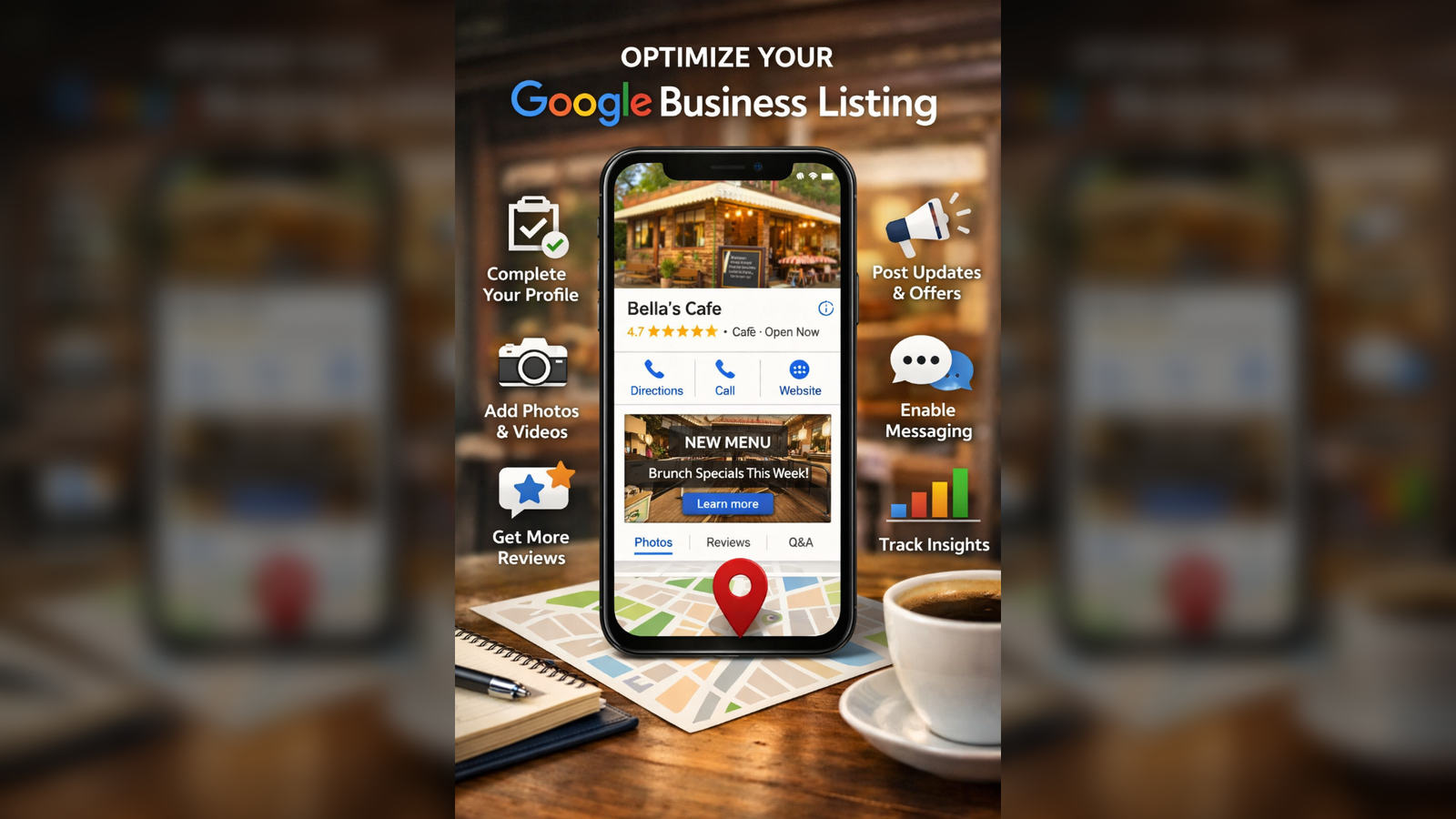
Fully optimize Google Business Profiles
-
Ensure NAP (name, address, phone) consistency
-
Create location‑specific content where appropriate
-
Encourage and respond to customer reviews
Personalized and location‑based search results will continue to influence buying decisions.
Final Thoughts
Heading into 2026, the best SEO strategies focus on users first and algorithms second. Search engines are smarter, competition is higher, and shortcuts no longer work.
Businesses that invest in:
-
Meaningful, high‑quality content
-
Strong technical foundations
-
Excellent user experiences
-
Brand trust and authority
will be positioned for long‑term success in organic search.
SEO in 2026 isn’t about gaming the system — it’s about becoming the most helpful, credible, and accessible resource in your space.